Range Rover Sport Autocanstop Install by Autosecureshop
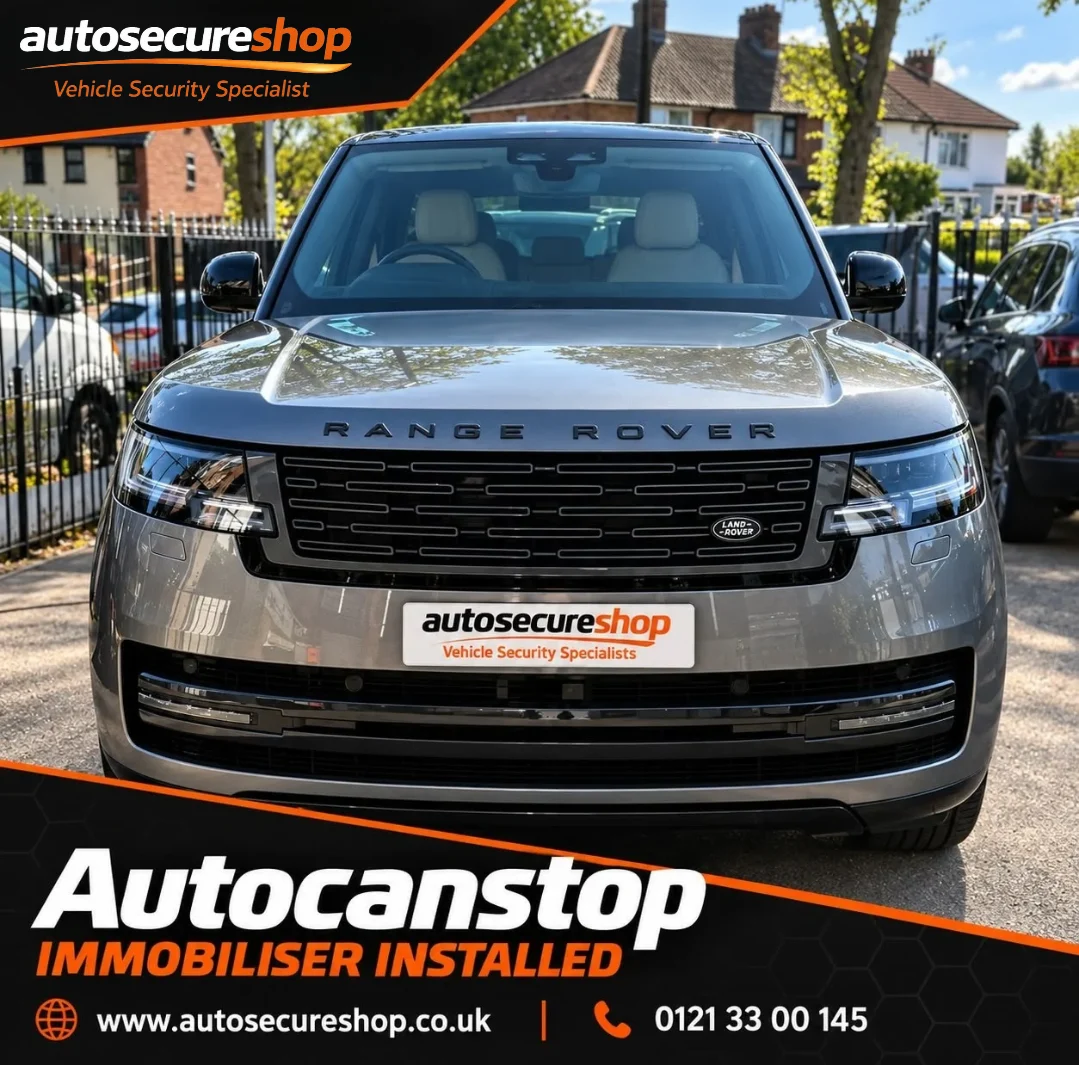
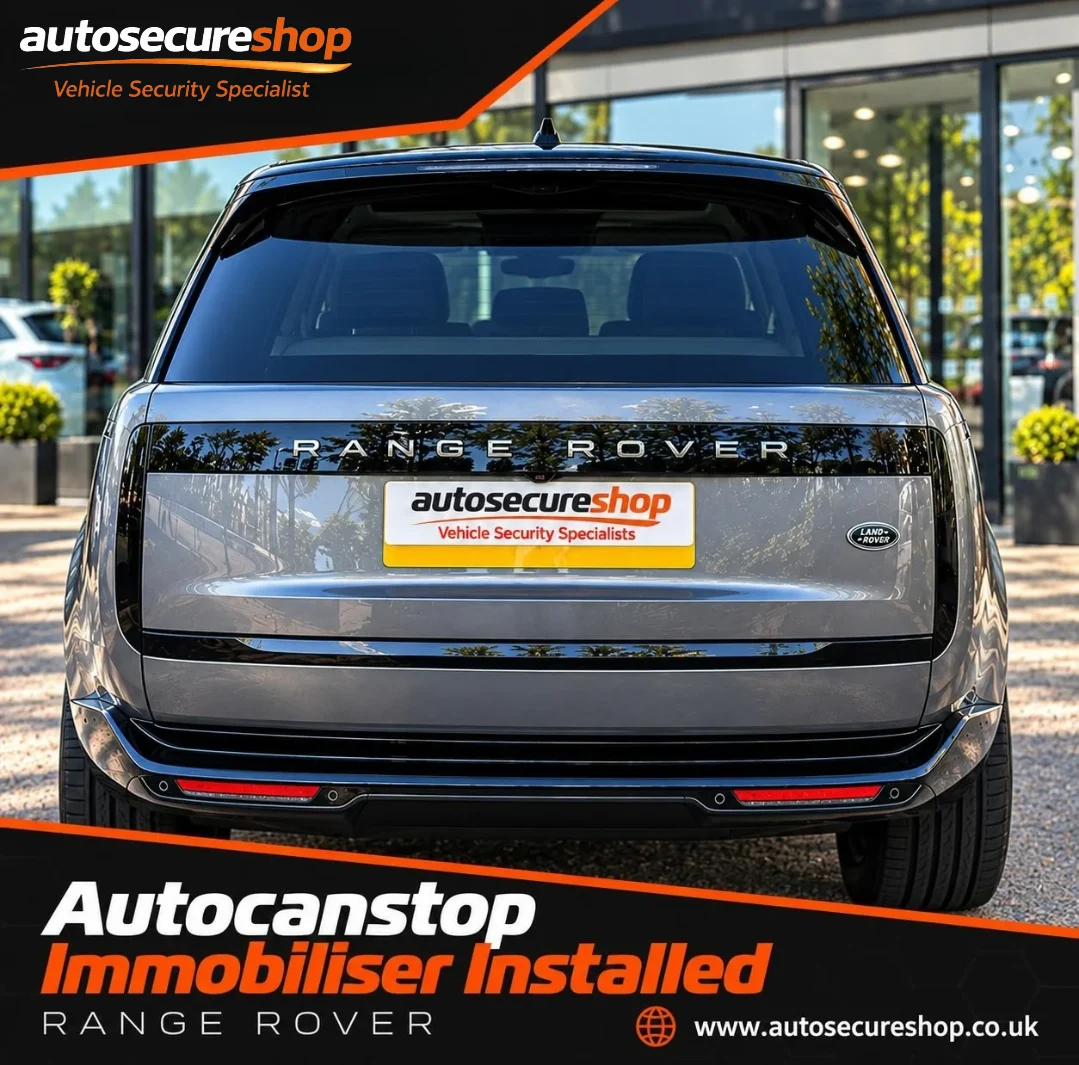
The Autosecureshop team rolled up to Sutton Coldfield recently with one job on the sheet: fit an Autocanstop immobiliser. They left the same day, leaving behind a car that won’t go into gear unless you know a PIN only the owner holds.
That sounds like a small change. It isn’t. If you’ve owned a Range Rover in the West Midlands for any length of time, you already know why people pay for this, and you probably know someone who woke up to an empty driveway.
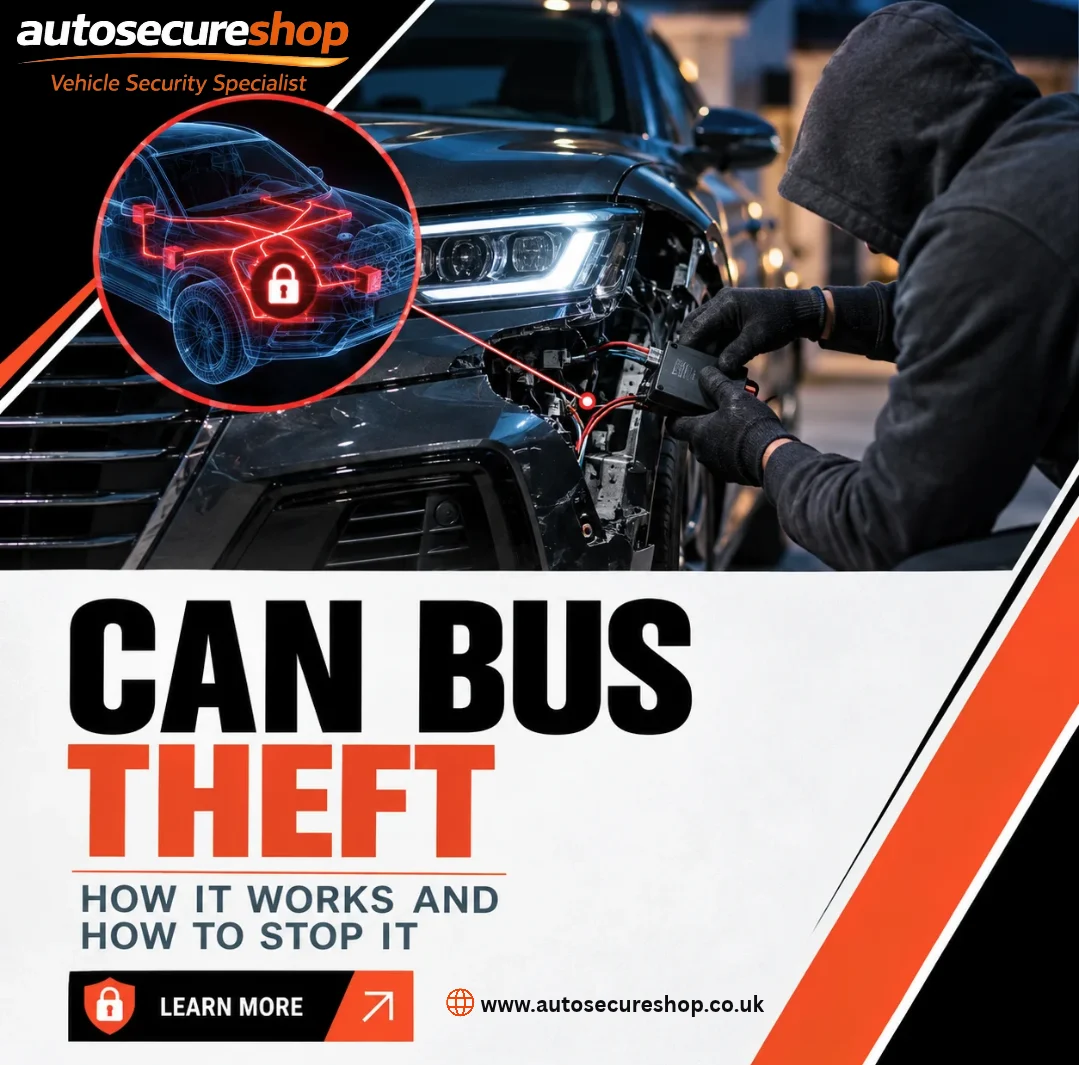
Most of those cars weren’t taken by someone smashing a window or forcing a lock. Thieves use a relay box to pick up the signal from a key sitting inside the house, or a cloned key, or a device plugged into the car’s wiring. Each one makes the Range Rover think its owner has just walked up. The doors open, the engine starts and nothing sounds the alarm. It’s quick and quiet, and it means a car can have every factory security feature and still be gone before anyone in the house wakes up.
Here’s what we fitted, why it matters on this car in particular, and where we think it sits in a sensible security setup.
Why Range Rovers keep turning up in theft figures
Range Rovers are stolen because they’re worth a lot, sell easily in parts or abroad, and for years their keyless systems were easier to beat than they should have been. The numbers back that up.
DVLA figures obtained by What Car? show 61,343 vehicles were reported stolen in the UK in 2024, roughly 168 a day. The Range Rover Sport still made the top ten with 867 thefts, and the Evoque sat seventh with 1,087. Two years earlier it was worse: DVLA data reported by Autocar put Range Rover models second in the national theft table, with more than 5,200 taken.
The fallout went beyond the cars. Some London insurers simply stopped quoting Range Rovers. JLR responded with a £10m security programme, retro-fitting updates to more than 65,000 cars built between 2018 and 2022, and launched its own insurance scheme.
Here in the West Midlands the picture is improving but far from solved. The Police and Crime Commissioner’s Vehicle Theft Index 2026 recorded 12,196 vehicle thefts across the region in 2025. Land Rover was the sixth most stolen make, with 483 vehicles taken. Closer to home, a Birmingham man was jailed for his part in a gang that used an electronic device to steal at least eight Range Rovers.
In fairness to JLR, the newer cars are much harder to take. The company says only 13 of 13,400 new Range Rover Sports had been stolen since January 2022. So why fit anything to a 23-plate? Because thieves adapt, insurers remember, and the cost of being one of the 13 is a car worth six figures.
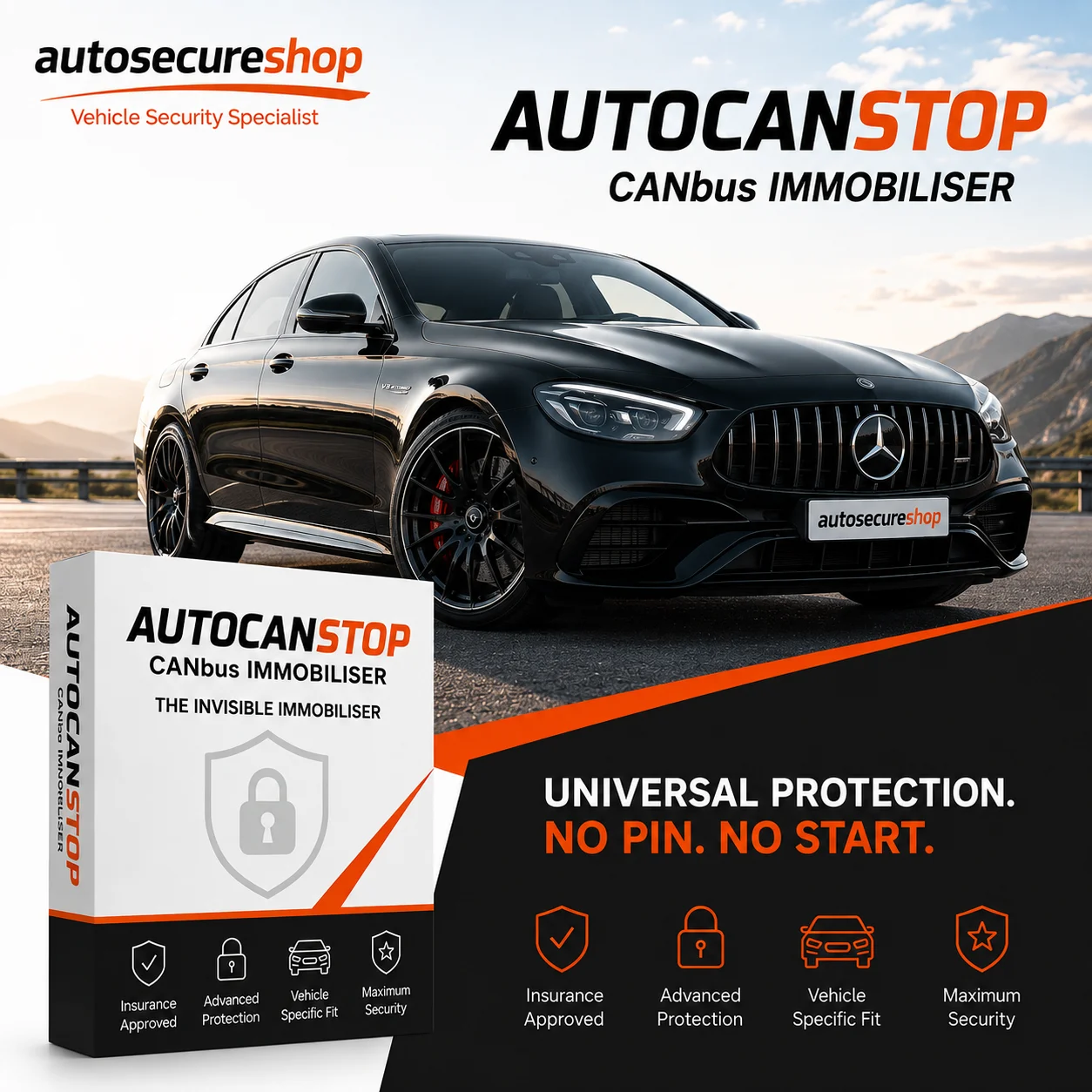
What the Autocanstop immobiliser actually does
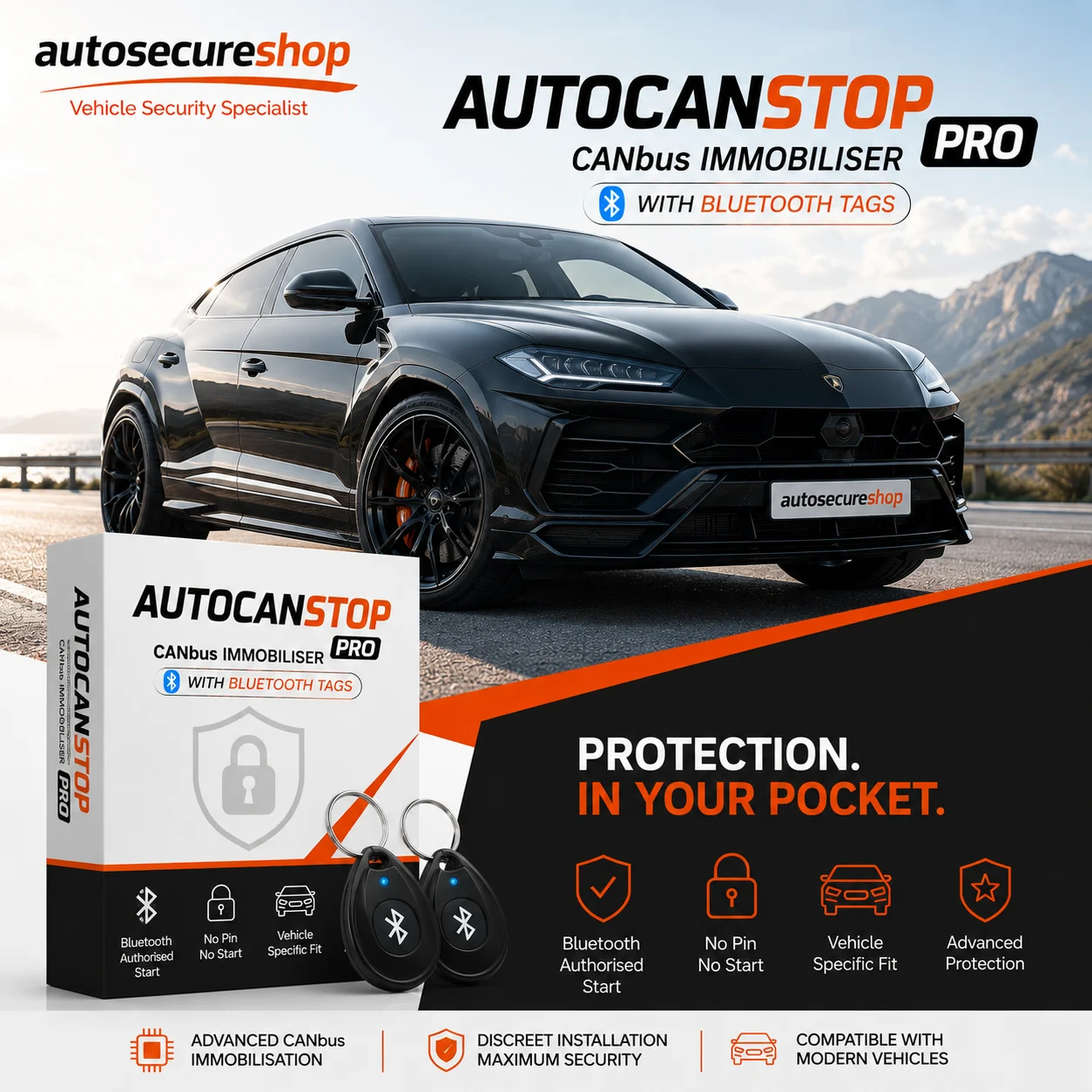
The Autocanstop is a CAN bus immobiliser. It sits on the car’s own data network and listens to the messages the factory systems already send. It works with the car’s electronics rather than chopping into them.
The point is simple. Most modern Range Rover thefts don’t involve a stolen key. They involve a relay box, a cloned key or a device plugged into the car’s wiring. All of those convince the car the right key is present. None of them tell the thief your PIN.
On this Range Rover Sport, the Autocanstop holds the gearbox in Park until the code is entered. The engine can turn over, but the car goes nowhere. To a thief on a driveway at 3am, that’s a dead end. Every minute they spend working out why is a minute they’d rather be gone.
The Sutton Coldfield install, step by step
Once the Autosecureshop team had it fitted, we ran the system through its paces with the owner. Here’s what daily use looks like.
1. Start the car as normal. Press the brake and try to select a gear. The P stays lit and the selector won’t budge.
2. Enter the PIN. Key in the owner’s code. The headlights flash once to confirm it’s accepted.
3. Drive. Foot on the brake, select Drive, and off you go. Nothing else changes about how the car behaves.
4. Park up. Switch off and open the door. The headlights flash again, and the system is fully armed.
That last step matters more than it looks. The owner doesn’t have to remember to set anything. Arming happens automatically, every time, which is the only kind of security that actually gets used.
The PIN belongs to the owner. A cloned key or a laptop on the wiring gets a thief into the car; it doesn’t get them the code.
Why demand for CAN immobilisers keeps growing
A few years ago, an aftermarket immobiliser on a new Range Rover would have raised eyebrows. Now it’s a routine upgrade, and the reasons have little to do with sales pitches.
• Police are telling people to do it. West Midlands Police have repeatedly urged Range Rover owners to add immobilisers, OBD blockers, steering locks and trackers. That’s unusual advice for a force to give about a premium car.
• Insurers notice. After the 2022 theft wave, some owners couldn’t get cover at all. Extra security is part of how people get back onto a sensible premium.
• Factory fixes only go so far. JLR’s updates rely on software the owner never sees. Plenty of drivers want a second layer that doesn’t depend on the manufacturer having got it right.
The Autocanstop fits that demand neatly. It’s discreet, it doesn’t change how the car drives, and it targets the exact methods gangs use.
Our honest take
No single device makes a car unstealable, and anyone who tells you otherwise is selling something. What a CAN immobiliser does is remove the shortcut. Relay attacks and cloned keys work because they’re quick. Take away the quick route and most thieves move on to an easier car.
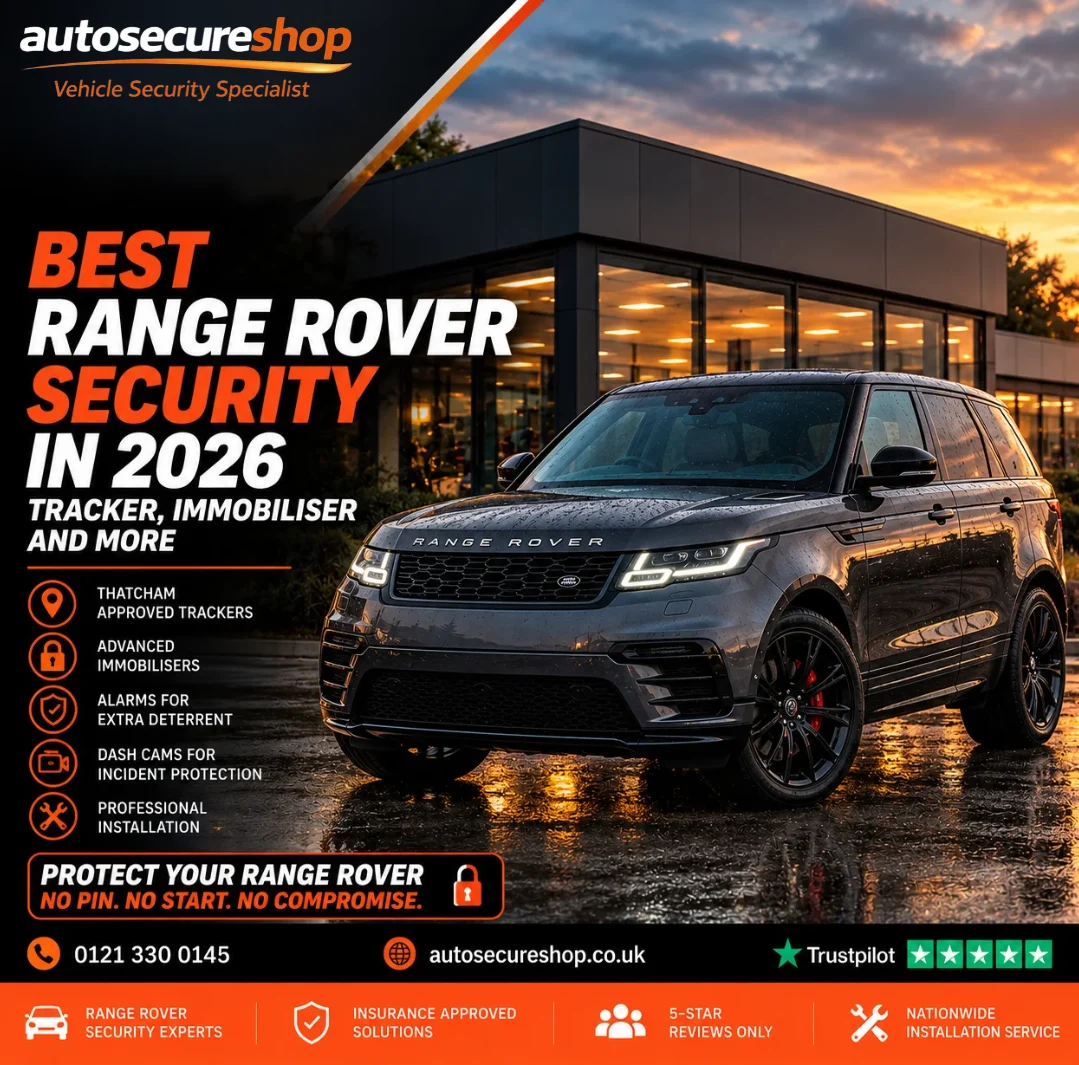
For a Range Rover, we’d pair it with a tracker and a keyless-key pouch at home. That combination covers prevention, and recovery if the worst happens..
Protect Your Range Rover Before It's Too Late
If you run a Range Rover in Sutton Coldfield, Birmingham or anywhere across the West Midlands, contact us on 0121 33 00 145 / sales@autosecureshop.co.uk. Or head to autosecureshop.co.uk and search for the Autocanstop Immobiliser. To read reviews, CLICK HERE.